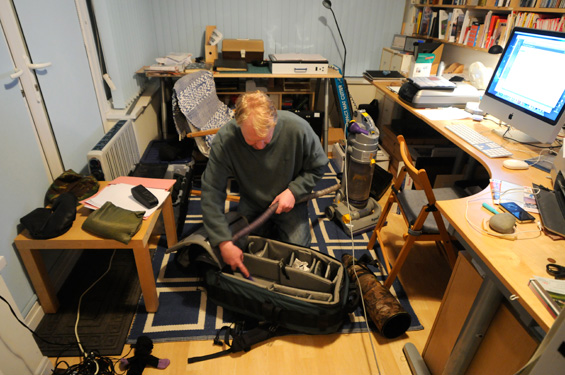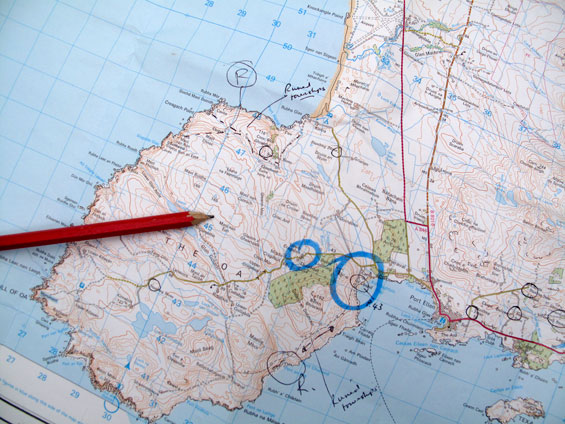
When your out and about a lot with the camera, particularly on a trip of a couple of weeks, and continually taking images day after day it’s easy to forget where they were taken.
 The online presence of Tim Collier. Photographer, course leader, lecturer and blogger.
When your out and about a lot with the camera, particularly on a trip of a couple of weeks, and continually taking images day after day it’s easy to forget where they were taken.
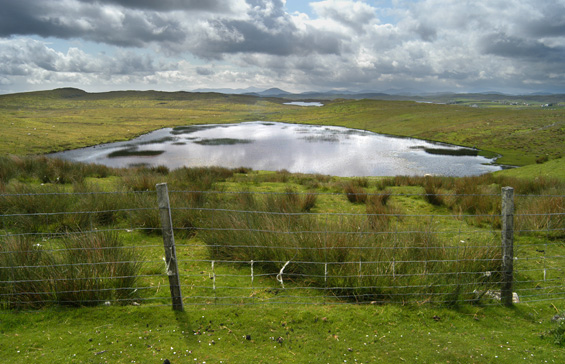
One of the most difficult things in photography is dealing with the wide exposure range that exists in many scenes.
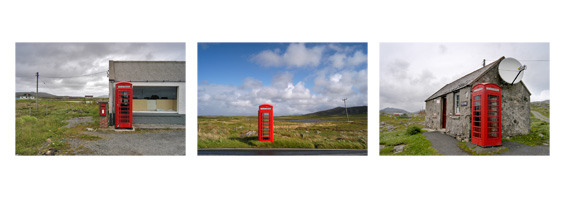
All too often we are searching for the ultimate shot, singular, instead of working with a series of photographs.
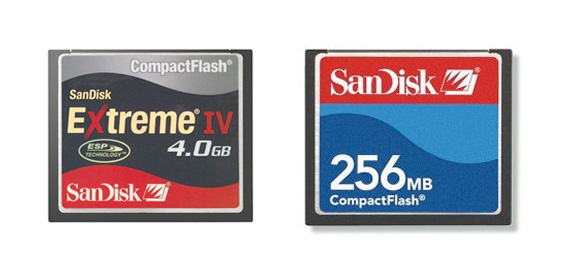
Which memory card would you put in your camera out of the two above? It seems an obvious choice, the 4.0GB. Not always, think again.
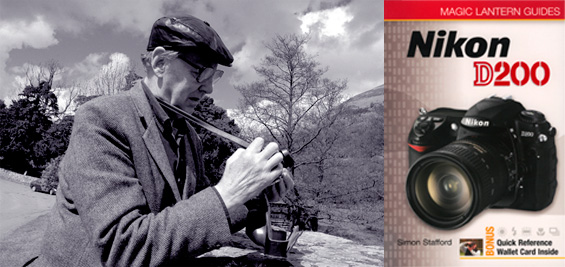
1. Read the manual
Spend a few nights tucked up with the manual – Some are pretty dense and are not exactly user friendly and I would recommend buying a specific guide for your model. I wouldn’t be without the Magic Lantern Guides written for the Nikons by Simon Stafford. Well laid out, clear, concise, to the point and simply invaluable.
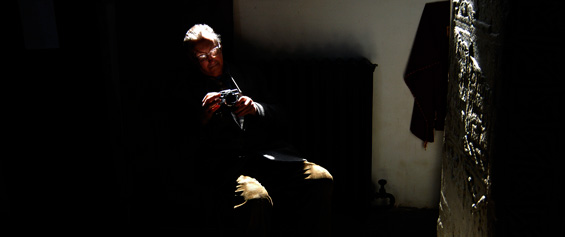
All too often we’re led to believe that the more equipment you carry with you on any photographic trip the better pictures you will take. In many cases the reverse is true. Photography is essentially a simple act complicated by an aggressive consumer industry that needs to keep selling new and ‘improved’ equipment.
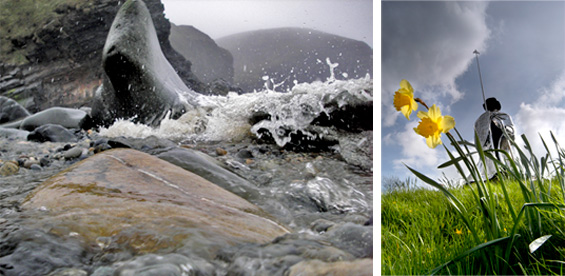
Such a simple tip for producing arresting images is to change your angle of view. Most photographers seem to see the world from 5’5″ and pretty straight on.
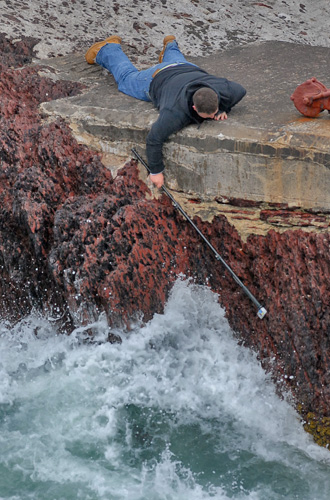
A simple technique to photograph new and exciting angles. By using a monopod and the self-timer setting on your camera you can extend your imaging into places otherwise impossible to work from.